
Need help finding what you are looking for?
Contact Us
PUBLISHER: TrendForce | PRODUCT CODE: 1916329

PUBLISHER: TrendForce | PRODUCT CODE: 1916329
Global Decarbonization Trends and Smart Manufacturing: 2025 Deployment Strategies
PUBLISHED:
PAGES: 28 Pages
DELIVERY TIME: 1-2 business days
SELECT AN OPTION
The global net-zero transition continues to gain momentum, driven by carbon pricing mechanisms such as emissions trading, carbon fees, and cap-and-trade systems. In response, major manufacturers are advancing net-zero commitments and strategies, while AI applications are increasingly recognized as a key enabler of corporate net-zero transformation.
Key Highlights
- In 2025, carbon pricing mechanisms operating worldwide cover about 28% of global greenhouse gas emissions. The World Bank notes that prices remain too low; therefore, further increases are expected.
- The EU plans to implement the Carbon Border Adjustment Mechanism (CBAM) in 2027. Meanwhile, Asian economies are advancing carbon policies -Japan via credit trading, South Korea by expanding its emissions trading system, and Taiwan through carbon credit trading and an upcoming carbon fee targeting major emitters.
- Technology leaders are committing to renewable energy goals and collaborating with suppliers to reduce emissions across operations and value chains.
- Manufacturers face growing net-zero pressures, driving the need to upgrade processes, energy structures, and circular economy practices.
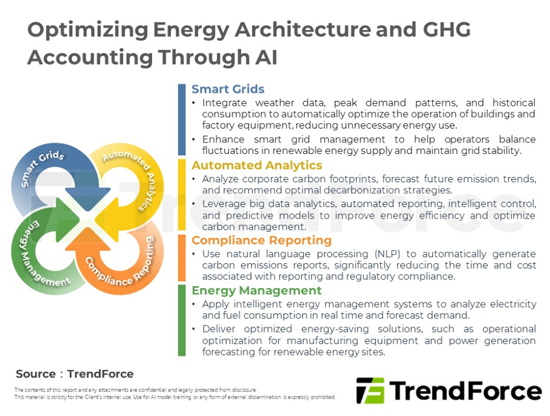
- AI advancement, supported by policy, is becoming a key enabler for ESG execution and net-zero achievement.
Product Code: TRi-166
Table of Contents
1. Global Emission Growth Trends
2. Status of Net-Zero Transitions Across Countries
3. Challenges and Strategic Responses for Manufacturing Net-Zero Transformation
4. Convergence of Technological Innovation and Green Transformation
5. Key Challenges Facing Net-Zero Transition
6. TRI's View
Have a question?


SELECT AN OPTION
Have a question?
Questions? Please give us a call or visit the contact form.