
PUBLISHER: Aviation & Defense Market Reports (A&D) | PRODUCT CODE: 1951128

PUBLISHER: Aviation & Defense Market Reports (A&D) | PRODUCT CODE: 1951128
Global Defense Surface Search / Navigation Radars Market 2026-2036
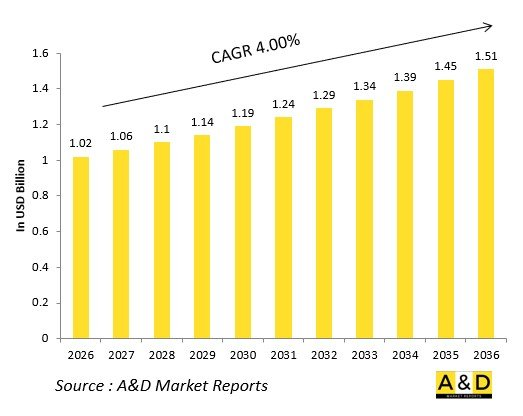
The Global Defense Surface Search / Navigation Radars market is estimated at USD 1.02 billion in 2026, projected to grow to USD 1.51 billion by 2036 at a Compound Annual Growth Rate (CAGR) of 4.00% over the forecast period 2026-2036.
Introduction:
The global Defense Surface Search / Navigation Radars market is set for dynamic expansion, propelled by the need for precise maritime domain awareness amid rising naval confrontations and asymmetric threats. These radars excel in detecting surface vessels, low-flying aircraft, and periscopes in cluttered coastal environments, combining X-band precision with S-band resilience for all-weather operations. Industry leaders advance dual-use platforms with digital beamforming and AESA technology, enabling collision avoidance, target classification, and integration into combat management systems.
Growth stems from fleet modernizations replacing aging mechanical scanners with compact, low-signature arrays suited for frigates, corvettes, and unmanned surface vessels. Emphasis on anti-drone and small boat interdiction drives demand, alongside interoperability with satellite and sonar networks. Challenges like spectrum congestion and electronic warfare threats spur innovations in cognitive processing and waveform agility. This era promises software-centric radars that enhance situational awareness, reduce crew burden, and support multi-mission profiles in contested waters.
Technology Impact in Defense Surface Search / Navigation Radars
Technological breakthroughs are transforming Defense Surface Search / Navigation Radars into versatile enablers of maritime superiority. Gallium nitride (GaN) transmitters boost resolution and range against stealthy small craft and UAVs, while active electronically scanned arrays (AESA) deliver instantaneous multi-beam operation for simultaneous search and track. Digital signal processing with AI algorithms excels in sea clutter rejection, automating detection of semi-submersibles and fast attack craft in high-sea states.
Quantum-inspired sensors and hyperspectral fusion improve periscope and swimmer detection, critical for harbor protection. Software-defined radios enable dynamic frequency hopping to evade jamming, fostering resilience in electronic warfare scenarios. Integration with 5G backbones and augmented reality interfaces streamlines navigation, minimizing human error during high-threat transits. These advancements shrink system footprints for retrofits on legacy hulls, promote unmanned vessel autonomy, and align with network-centric warfare, redefining surface surveillance from reactive monitoring to predictive threat neutralization.
Key Drivers in Defense Surface Search / Navigation Radars
Robust drivers underpin the Defense Surface Search / Navigation Radars market. Escalating maritime territorial disputes accelerate upgrades for littoral-capable platforms, prioritizing radars resilient to spoofing and multipath interference. Naval expansion programs worldwide demand compact, high-resolution systems for corvettes and patrol vessels, integrating seamlessly with missile cueing and electronic warfare suites.
Technological synergies with autonomous systems and AI-driven analytics propel adoption of adaptive radars that classify threats in real-time. Export markets flourish as coastal nations counter smuggling, piracy, and illegal fishing, favoring affordable yet capable COTS-enhanced designs. Sustainability goals favor low-power, modular architectures that extend service life and ease maintenance.
Geopolitical alliances foster joint procurement, mitigating supply risks from raw material shortages. Regulatory pushes for spectrum efficiency and cybersecurity harden systems against hybrid threats. Together, these forces emphasize agility, precision, and networked integration to safeguard vital sea lanes.
Regional Trends in Defense Surface Search / Navigation Radars
Regional variations define Defense Surface Search / Navigation Radars trends. Asia-Pacific leads with intense focus on archipelagic defense, advancing compact X-band arrays for island chain patrols and anti-access strategies. Europe emphasizes NATO-standard interoperability, upgrading frigates with dual-band systems for Baltic and Mediterranean operations against sub-surface intruders.
North America pioneers GaN-AESA innovations for carrier escorts and Arctic transits, exporting to allies facing hybrid maritime challenges. The Middle East prioritizes mobile coastal radars for oil platform security and strait surveillance amid proxy conflicts. In Africa and Latin America, emphasis shifts to rugged, low-maintenance solutions for anti-piracy and EEZ enforcement, often via technology transfers.
Pan-regional collaborations address chokepoint vulnerabilities, with trends converging on multi-static networks blending radar with passive acoustics. Climate-resilient designs adapt to extreme weather, ensuring persistent vigilance across diverse theaters.
Key Defense Surface Search / Navigation Radars Programs
Signature Defense Surface Search / Navigation Radars programs highlight maritime innovation. Naval flagships include multi-function AESA suites for destroyers, fusing surface search with fire control for over-the-horizon targeting. Coastal defense initiatives deploy truck-mounted S/X-band systems for rapid perimeter surveillance and drone mitigation.
Unmanned programs integrate low-profile radars into USVs for swarm denial and persistent monitoring. International consortia drive modular upgrade paths for legacy fleets, incorporating cognitive features for clutter adaptation. Airborne maritime patrol variants evolve with podded navigation aids for P-8 successors.
These efforts prioritize open architectures for sensor fusion, jamming-resistant waveforms, and human-machine teaming. Focused on export variants and collaborative testing, they bolster blue-water and green-water capabilities, ensuring dominance in contested littorals.
Table of Contents
Defense Surface Search / Navigation Radars Market - Table of Contents
Defense Surface Search / Navigation Radars Market Report Definition
Defense Surface Search / Navigation Radars Market Segmentation
By Region
By Platform
By Function
By Technology
Defense Surface Search / Navigation Radars Market Analysis for next 10 Years
The 10-year Defense Surface Search / Navigation Radars Market analysis would give a detailed overview of Defense Surface Search / Navigation Radars Market growth, changing dynamics, technology adoption overviews and the overall market attractiveness is covered in this chapter.
Market Technologies of Defense Surface Search / Navigation Radars Market
This segment covers the top 10 technologies that is expected to impact this market and the possible implications these technologies would have on the overall market.
Global Defense Surface Search / Navigation Radars Market Forecast
The 10-year Defense Surface Search / Navigation Radars Market forecast of this market is covered in detailed across the segments which are mentioned above.
Regional Defense Surface Search / Navigation Radars Market Trends & Forecast
The regional counter drone market trends, drivers, restraints and Challenges of this market, the Political, Economic, Social and Technology aspects are covered in this segment. The market forecast and scenario analysis across regions are also covered in detailed in this segment. The last part of the regional analysis includes profiling of the key companies, supplier landscape and company benchmarking. The current market size is estimated based on the normal scenario.
North America
Drivers, Restraints and Challenges
PEST
Market Forecast & Scenario Analysis
Key Companies
Supplier Tier Landscape
Company Benchmarking
Europe
Middle East
APAC
South America
Country Analysis of Defense Surface Search / Navigation Radars Market
This chapter deals with the key defense programs in this market, it also covers the latest news and patents which have been filed in this market. Country level 10 year market forecast and scenario analysis are also covered in this chapter.
US
Defense Programs
Latest News
Patents
Current levels of technology maturation in this market
Market Forecast & Scenario Analysis
Canada
Italy
France
Germany
Netherlands
Belgium
Spain
Sweden
Greece
Australia
South Africa
India
China
Russia
South Korea
Japan
Malaysia
Singapore
Brazil
Opportunity Matrix for Defense Surface Search / Navigation Radars Market
The opportunity matrix helps the readers understand the high opportunity segments in this market.
Expert Opinions on Defense Surface Search / Navigation Radars Market Report
Hear from our experts their opinion of the possible analysis for this market.
Conclusions
About Aviation and Defense Market Reports
List of Tables
- Table 1: 10 Year Market Outlook, 2026-2036
- Table 2: Drivers, Impact Analysis, North America
- Table 3: Restraints, Impact Analysis, North America
- Table 4: Challenges, Impact Analysis, North America
- Table 5: Drivers, Impact Analysis, Europe
- Table 6: Restraints, Impact Analysis, Europe
- Table 7: Challenges, Impact Analysis, Europe
- Table 8: Drivers, Impact Analysis, Middle East
- Table 9: Restraints, Impact Analysis, Middle East
- Table 10: Challenges, Impact Analysis, Middle East
- Table 11: Drivers, Impact Analysis, APAC
- Table 12: Restraints, Impact Analysis, APAC
- Table 13: Challenges, Impact Analysis, APAC
- Table 14: Drivers, Impact Analysis, South America
- Table 15: Restraints, Impact Analysis, South America
- Table 16: Challenges, Impact Analysis, South America
- Table 17: Scenario Analysis, Scenario 1, By Function, 2026-2036
- Table 18: Scenario Analysis, Scenario 1, By Platform, 2026-2036
- Table 19: Scenario Analysis, Scenario 1, By Region, 2026-2036
- Table 20: Scenario Analysis, Scenario 2, By Function, 2026-2036
- Table 21: Scenario Analysis, Scenario 2, By Platform, 2026-2036
- Table 22: Scenario Analysis, Scenario 2, By Region, 2026-2036
List of Figures
- Figure 1: Global Defense Surface Search / Navigation Radars Market Forecast, 2026-2036
- Figure 2: Global Defense Surface Search / Navigation Radars Market Forecast, By Function, 2026-2036
- Figure 3: Global Defense Surface Search / Navigation Radars Market Forecast, By Platform, 2026-2036
- Figure 4: Global Defense Surface Search / Navigation Radars Market Forecast, By Region, 2026-2036
- Figure 5: North America, Defense Surface Search / Navigation Radars Market, Forecast, 2026-2036
- Figure 6: Europe, Defense Surface Search / Navigation Radars Market, Forecast, 2026-2036
- Figure 7: Middle East, Defense Surface Search / Navigation Radars Market, Forecast, 2026-2036
- Figure 8: APAC, Defense Surface Search / Navigation Radars Market, Forecast, 2026-2036
- Figure 9: South America, Defense Surface Search / Navigation Radars Market, Forecast, 2026-2036
- Figure 10: United States, Defense Surface Search / Navigation Radars Market, Technology Maturation, 2026-2036
- Figure 11: United States, Defense Surface Search / Navigation Radars Market, Forecast, 2026-2036
- Figure 12: Canada, Defense Surface Search / Navigation Radars Market, Technology Maturation, 2026-2036
- Figure 13: Canada, Defense Surface Search / Navigation Radars Market, Forecast, 2026-2036
- Figure 14: Italy, Defense Surface Search / Navigation Radars Market, Technology Maturation, 2026-2036
- Figure 15: Italy, Defense Surface Search / Navigation Radars Market, Market Forecast, 2026-2036
- Figure 16: France, Defense Surface Search / Navigation Radars Market, Technology Maturation, 2026-2036
- Figure 17: France, Defense Surface Search / Navigation Radars Market, Market Forecast, 2026-2036
- Figure 18: Germany, Defense Surface Search / Navigation Radars Market, Technology Maturation, 2026-2036
- Figure 19: Germany, Defense Surface Search / Navigation Radars Market, Market Forecast, 2026-2036
- Figure 20: Netherlands, Defense Surface Search / Navigation Radars Market, Technology Maturation, 2026-2036
- Figure 21: Netherlands, Defense Surface Search / Navigation Radars Market, Market Forecast, 2026-2036
- Figure 22: Belgium, Defense Surface Search / Navigation Radars Market, Technology Maturation, 2026-2036
- Figure 23: Belgium, Defense Surface Search / Navigation Radars Market, Market Forecast, 2026-2036
- Figure 24: Spain, Defense Surface Search / Navigation Radars Market, Technology Maturation, 2026-2036
- Figure 25: Spain, Defense Surface Search / Navigation Radars Market, Market Forecast, 2026-2036
- Figure 26: Sweden, Defense Surface Search / Navigation Radars Market, Technology Maturation, 2026-2036
- Figure 27: Sweden, Defense Surface Search / Navigation Radars Market, Forecast, 2026-2036
- Figure 28: Brazil, Defense Surface Search / Navigation Radars Market, Technology Maturation, 2026-2036
- Figure 29: Brazil, Defense Surface Search / Navigation Radars Market, Market Forecast, 2026-2036
- Figure 30: Australia, Defense Surface Search / Navigation Radars Market, Technology Maturation, 2026-2036
- Figure 31: Australia, Defense Surface Search / Navigation Radars Market, Market Forecast, 2026-2036
- Figure 32: India, Defense Surface Search / Navigation Radars Market, Technology Maturation, 2026-2036
- Figure 33: India, Defense Surface Search / Navigation Radars Market, Market Forecast, 2026-2036
- Figure 34: China, Defense Surface Search / Navigation Radars Market, Technology Maturation, 2026-2036
- Figure 35: China, Defense Surface Search / Navigation Radars Market, Market Forecast, 2026-2036
- Figure 36: Saudi Arabia, Defense Surface Search / Navigation Radars Market, Technology Maturation, 2026-2036
- Figure 37: Saudi Arabia, Defense Surface Search / Navigation Radars Market, Market Forecast, 2026-2036
- Figure 38: South Korea, Defense Surface Search / Navigation Radars Market, Technology Maturation, 2026-2036
- Figure 39: South Korea, Defense Surface Search / Navigation Radars Market, Market Forecast, 2026-2036
- Figure 40: Japan, Defense Surface Search / Navigation Radars Market, Technology Maturation, 2026-2036
- Figure 41: Japan, Defense Surface Search / Navigation Radars Market, Market Forecast, 2026-2036
- Figure 42: Malaysia, Defense Surface Search / Navigation Radars Market, Technology Maturation, 2026-2036
- Figure 43: Malaysia, Defense Surface Search / Navigation Radars Market, Market Forecast, 2026-2036
- Figure 44: Singapore, Defense Surface Search / Navigation Radars Market, Technology Maturation, 2026-2036
- Figure 45: Singapore, Defense Surface Search / Navigation Radars Market, Market Forecast, 2026-2036
- Figure 46: United Kingdom, Defense Surface Search / Navigation Radars Market, Technology Maturation, 2026-2036
- Figure 47: United Kingdom, Defense Surface Search / Navigation Radars Market, Market Forecast, 2026-2036
- Figure 48: Opportunity Analysis, Defense Surface Search / Navigation Radars Market, By Function (Cumulative Market), 2026-2036
- Figure 49: Opportunity Analysis, Defense Surface Search / Navigation Radars Market, By Function (CAGR), 2026-2036
- Figure 50: Opportunity Analysis, Defense Surface Search / Navigation Radars Market, By (Cumulative Market), 2026-2036
- Figure 51: Opportunity Analysis, Defense Surface Search / Navigation Radars Market, By Platform(CAGR), 2026-2036
- Figure 52: Opportunity Analysis, Defense Surface Search / Navigation Radars Market, By Region (Cumulative Market), 2026-2036
- Figure 53: Opportunity Analysis, Defense Surface Search / Navigation Radars Market, By Region (CAGR), 2026-2036
- Figure 54: Scenario Analysis, Defense Surface Search / Navigation Radars Market, Cumulative Market, 2026-2036
- Figure 55: Scenario Analysis, Defense Surface Search / Navigation Radars Market, Global Market, 2026-2036
- Figure 56: Scenario 1, Defense Surface Search / Navigation Radars Market, Total Market, 2026-2036
- Figure 57: Scenario 1, Defense Surface Search / Navigation Radars Market, By Function, 2026-2036
- Figure 58: Scenario 1, Defense Surface Search / Navigation Radars Market, By Platform, 2026-2036
- Figure 59: Scenario 1, Defense Surface Search / Navigation Radars Market, By Region, 2026-2036
- Figure 60: Scenario 2, Defense Surface Search / Navigation Radars Market, Total Market, 2026-2036
- Figure 61: Scenario 2, Defense Surface Search / Navigation Radars Market, By Function, 2026-2036
- Figure 62: Scenario 2, Defense Surface Search / Navigation Radars Market, By Platform, 2026-2036
- Figure 63: Scenario 2, Defense Surface Search / Navigation Radars Market, By Region, 2026-2036
- Figure 64: Company Benchmark, Defense Surface Search / Navigation Radars Market, 2026-2036

